Espresso vs Cappuccino vs Flat White: What’s the Difference?
Coffee menus today offer more choice than ever, and while espresso-based drinks may look similar, each one delivers a completely different experience. Understanding the difference between an espresso, cappuccino, and flat white helps you order confidently — and enjoy your coffee exactly the way you like it.
Whether you’re grabbing your morning coffee near Uvongo Beach or brewing at home, knowing how these classics differ makes all the difference.
Espresso — The Foundation of Modern Coffee
Espresso is the base of most café drinks. It is made by forcing hot water through finely ground coffee under high pressure, producing a small but intensely flavoured shot.
Key Characteristics
- Served in a small cup (±30ml)
- Strong, concentrated flavour
- Rich golden crema on top
- No milk added
Taste Profile
Espresso delivers bold flavour, natural sweetness, and a slightly thicker texture compared to regular coffee.
Best For
- Coffee purists
- Quick caffeine boost
- Appreciating the true flavour of the beans
Every cappuccino and flat white begins with this single shot of espresso.
Cappuccino — Balanced and Classic
The cappuccino is one of the most recognised coffee drinks worldwide. Originating in Italy, it focuses on balance between espresso, steamed milk, and foam.
Typical Ratio
- 1/3 espresso
- 1/3 steamed milk
- 1/3 milk foam
Key Characteristics
- Light and airy texture
- Noticeable foam layer
- Smooth but still coffee-forward
Taste Profile
The milk softens espresso intensity while the foam creates a creamy, slightly lighter mouthfeel.
Best For
- Morning coffee drinkers
- Those who enjoy milk but still want strong coffee flavour
- Classic café experience
Cappuccinos are often enjoyed without sugar because the milk naturally adds sweetness.
Flat White — Smooth and Velvety
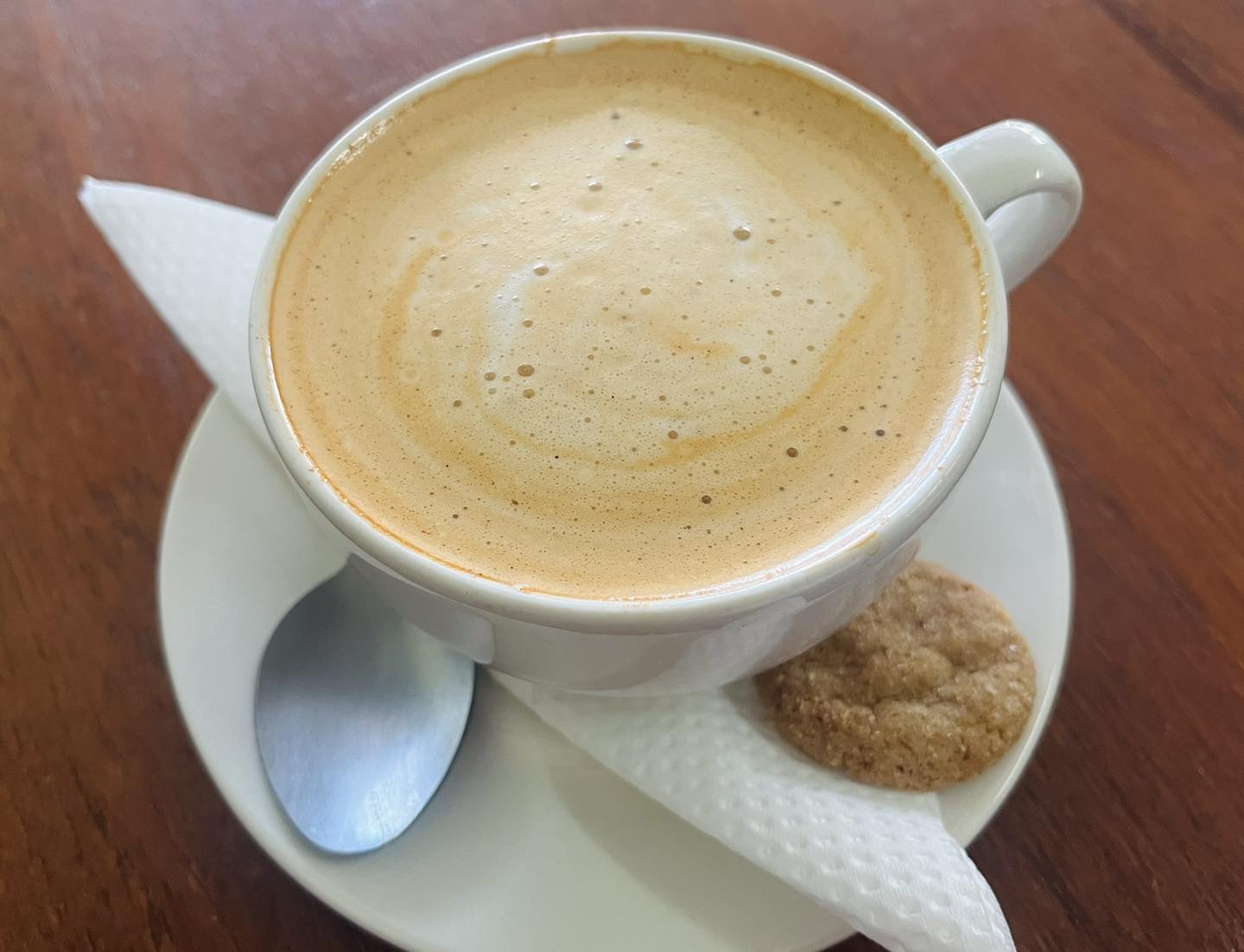
The flat white originated in Australia and New Zealand and has become a favourite in specialty coffee shops.
Unlike a cappuccino, the flat white emphasises silky texture rather than foam.
Typical Ratio
- Espresso (often double shot)
- Steamed milk with very fine microfoam
Key Characteristics
- Minimal foam
- Velvety texture
- Strong coffee flavour with smooth finish
Taste Profile
Because there is less foam and more integrated milk, the espresso flavour remains prominent while feeling creamy and refined.
Best For
- Coffee lovers who want smoothness without excessive milk
- Those moving from cappuccino toward espresso-style drinks
Quick Comparison Guide
| Coffee | Milk | Foam | Strength | Texture |
|---|---|---|---|---|
| Espresso | None | None | Strongest | Thick & intense |
| Cappuccino | Yes | Thick foam | Medium | Light & airy |
| Flat White | Yes | Thin microfoam | Strong but smooth | Velvety |
Which Coffee Should You Choose?
Your ideal choice depends on how you like your coffee experience.
Choose Espresso if you:
- Enjoy bold, concentrated flavour
- Prefer coffee without milk
- Want a quick energy boost
Choose Cappuccino if you:
- Like balanced coffee and milk
- Enjoy foam texture
- Prefer a classic café drink
Choose Flat White if you:
- Want smooth texture
- Still enjoy strong coffee flavour
- Prefer less foam and more creaminess
The Role of Quality Beans
No matter the drink, great coffee starts with quality beans and proper roasting. Specialty roasters carefully develop blends suited to espresso extraction, ensuring consistency whether served as a straight espresso or milk-based beverage.
Freshly roasted coffee enhances sweetness, aroma, and balance — the foundation of every great café cup.
Final Thoughts
Espresso, cappuccino, and flat white may share the same starting point, but small differences in milk and foam create completely different coffee experiences.
- Espresso showcases intensity.
- Cappuccino delivers balance.
- Flat white offers smooth sophistication.
Exploring these drinks is part of the fun of coffee culture. The best approach is simple: try them all and discover which one becomes your everyday favourite.
Next time you order, you’ll know exactly what’s in your cup — and why it tastes the way it does.